MAPLE BEAR CZECHIA | BRNO | The best of Canadian education for a global future.

Our bilingual kindergarten in Brno

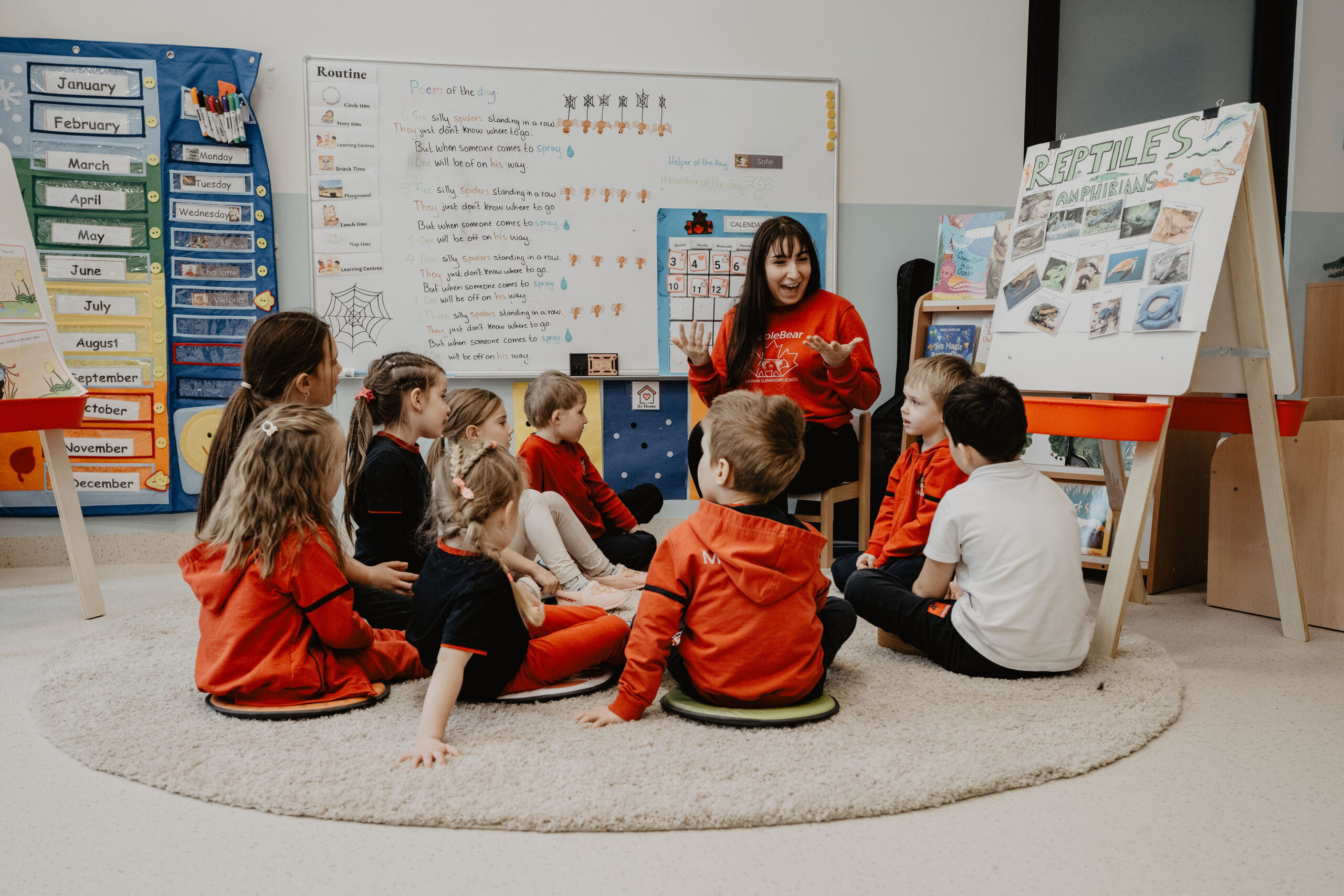
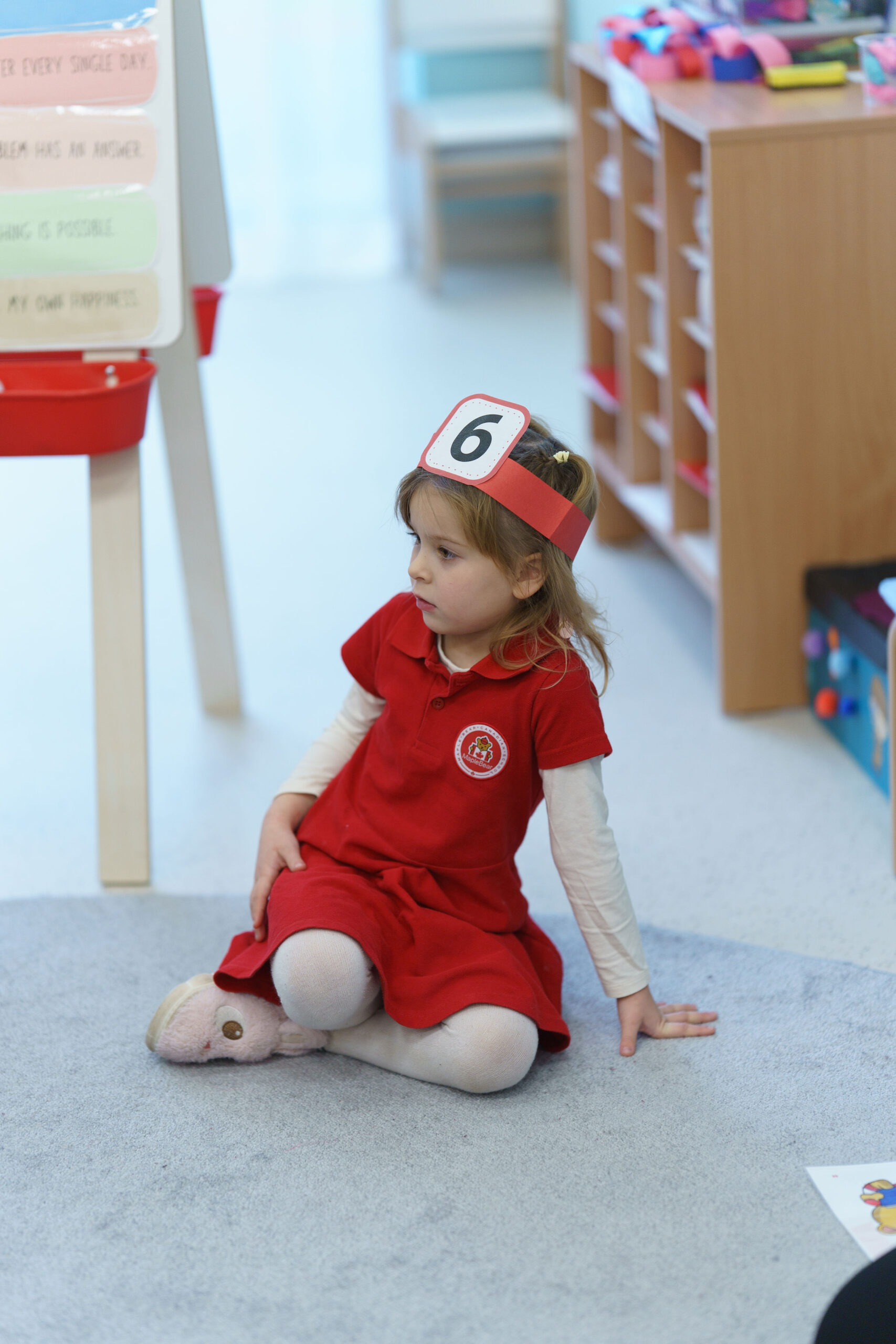
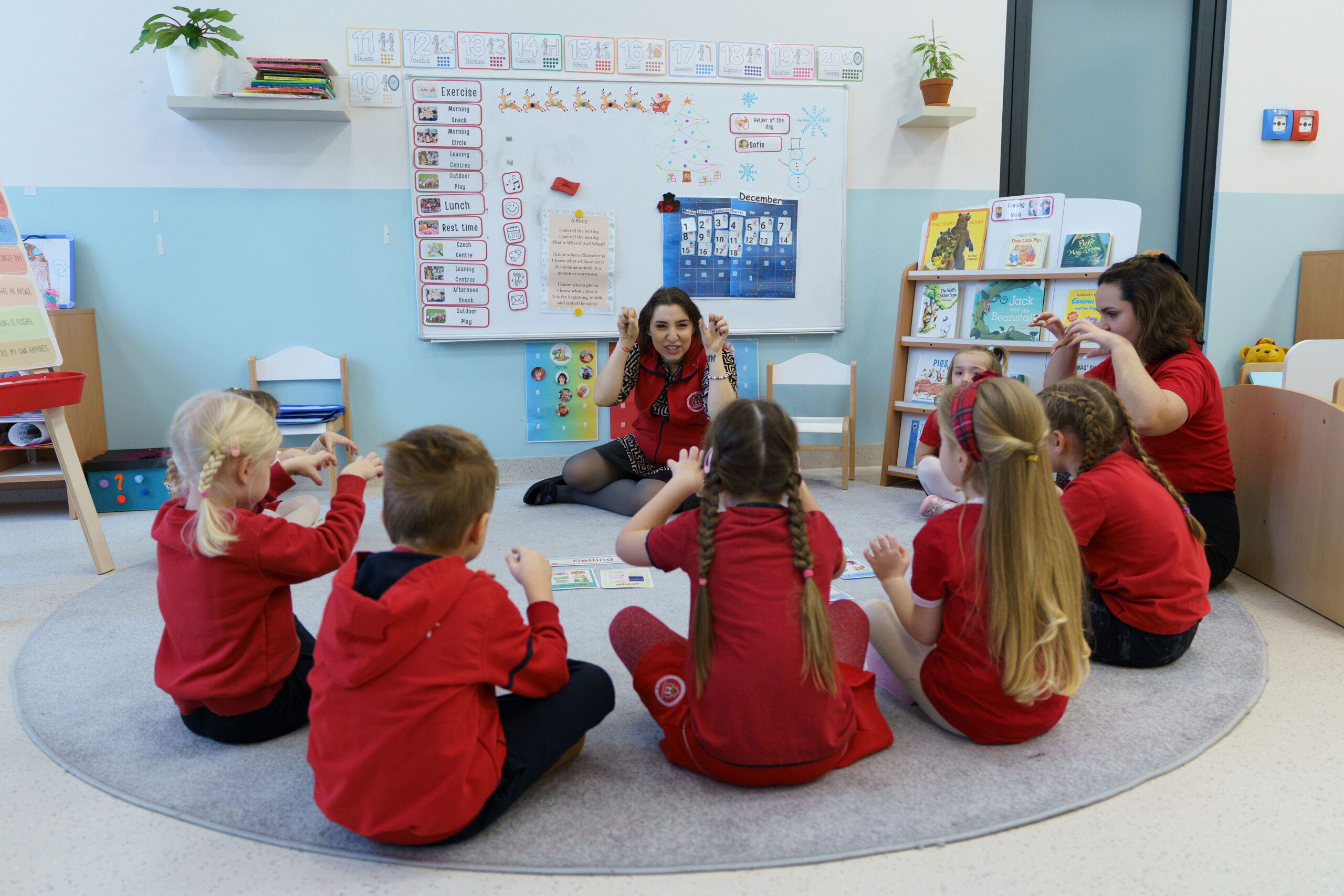
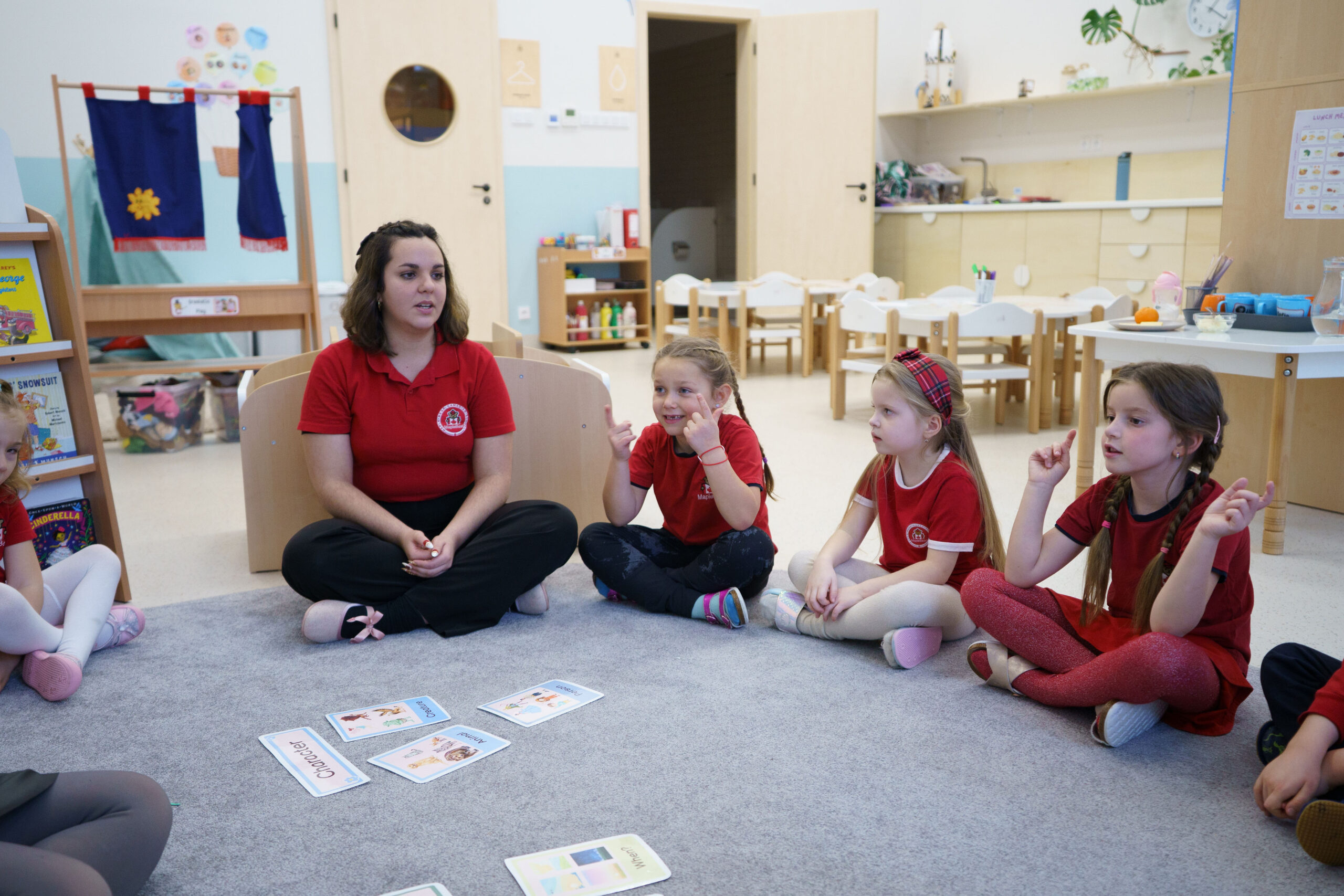
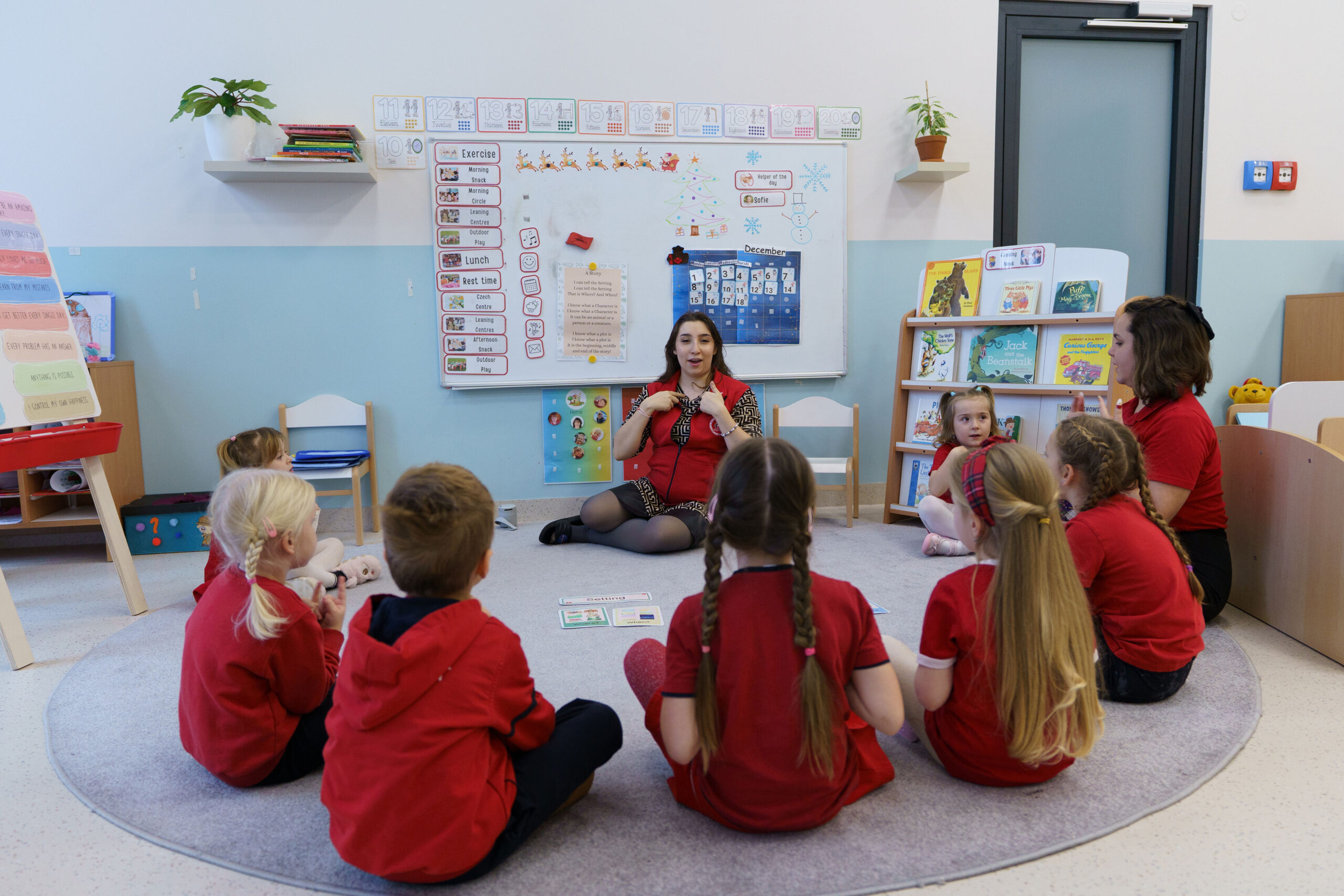
Our kindergarten is a place where children feel safe, have space to be themselves and naturally discover the world in Czech and English every day. Two full-fledged teachers work with them in the classroom, one in Czech and the other in English, thanks to which both languages are a natural part of the day and at the same time we have more space to devote ourselves to children individually.

At Maple Bear Brno, we combine a respectful approach with a well-thought-out educational program inspired by Canadian education. We take care of children from 3 to 6 years of age, including the preschool preparatory year, and support them so that they gradually gain independence, healthy self-confidence and the joy of learning.

Since the 2027/2028 school year, our preschool preparatory year has been part of the Maple Bear Brno kindergarten. It builds on the experience of our previous zero year and preserves its strengths: bilingual environment, active learning, individual approach and targeted preparation for school entry.

Maple Bear Brno Kindergarten Preparatory Class Private Czech-English School

Kindergarten for children aged 3 - 6 years

A child grows best where he feels good

Every child needs to know that they are accepted, perceived and that they have someone to turn to. For us, a respectful approach means taking their needs, emotions and individual pace seriously, while offering them clear and understandable boundaries. That is why we build on a strong relationship with teachers, a predictable rhythm of the day and an environment in which children know what to expect.

At the same time, we gradually lead them to greater independence. They learn to communicate their needs, take care of their belongings, engage in joint activities, make decisions and handle everyday situations more and more confidently. Teachers monitor what a particular child needs at the moment, where support will help them and where, on the contrary, they are ready for the next challenge.

The goal is not for all children to be able to do the same things at the same time. We want each child to have the conditions to grow at their own pace and gradually gain confidence in their abilities.

A clear rhythm in which there is room to learn and be a child

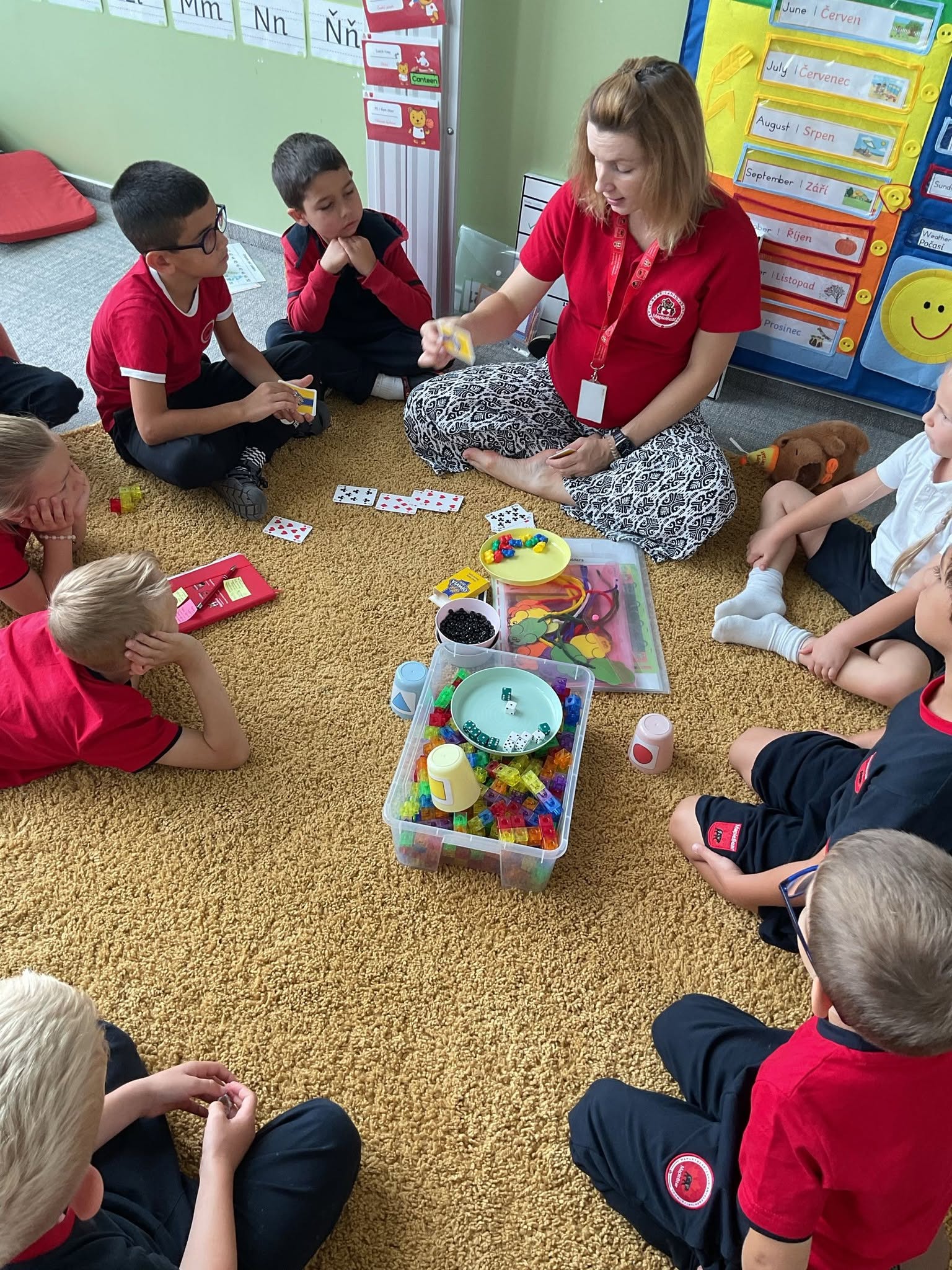
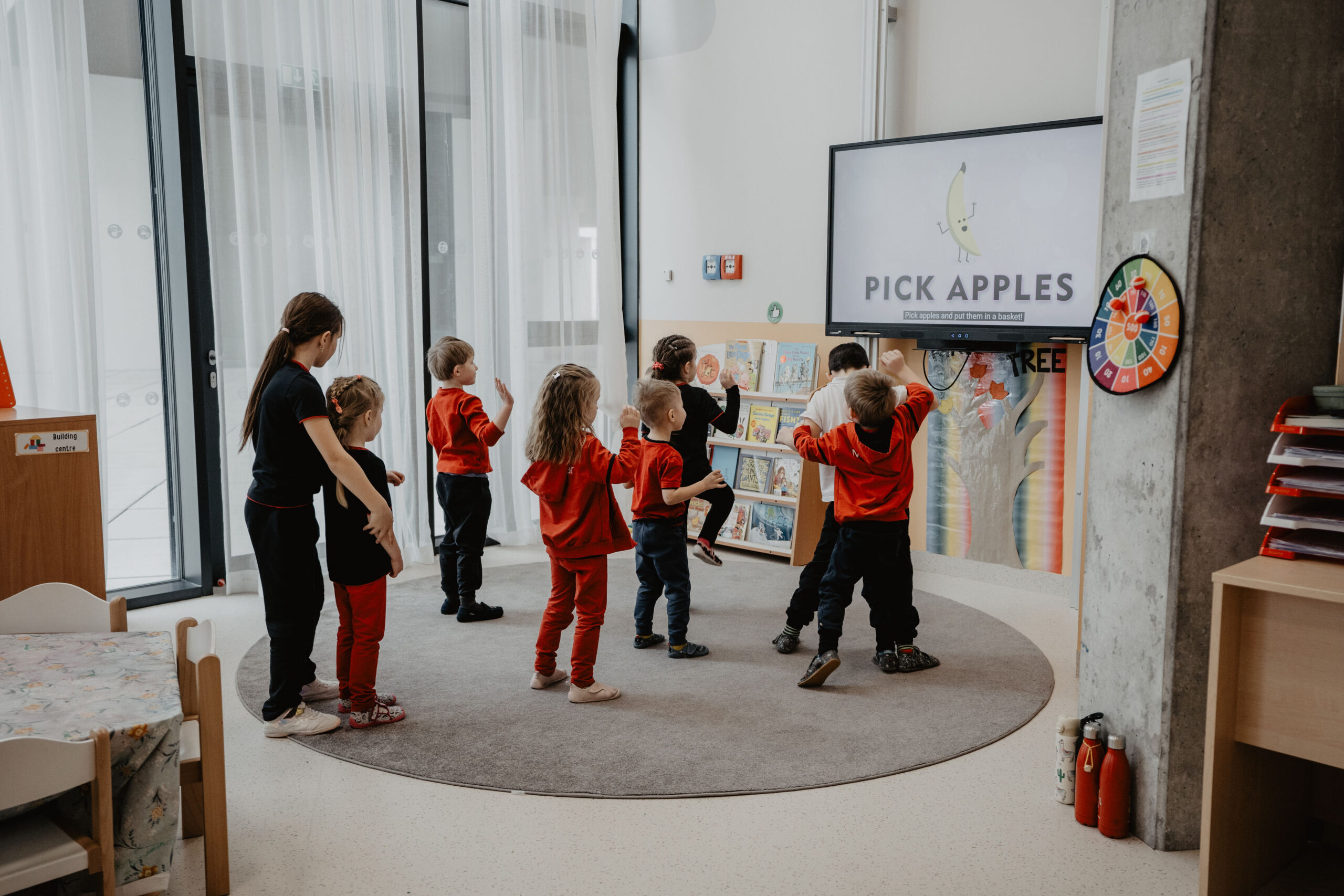
A day in kindergarten has a clear structure that brings children security, but it is not built on long sitting at a table. Joint activities, educational activities, free play, movement, creation, being outdoors, dining and relaxation alternate

.

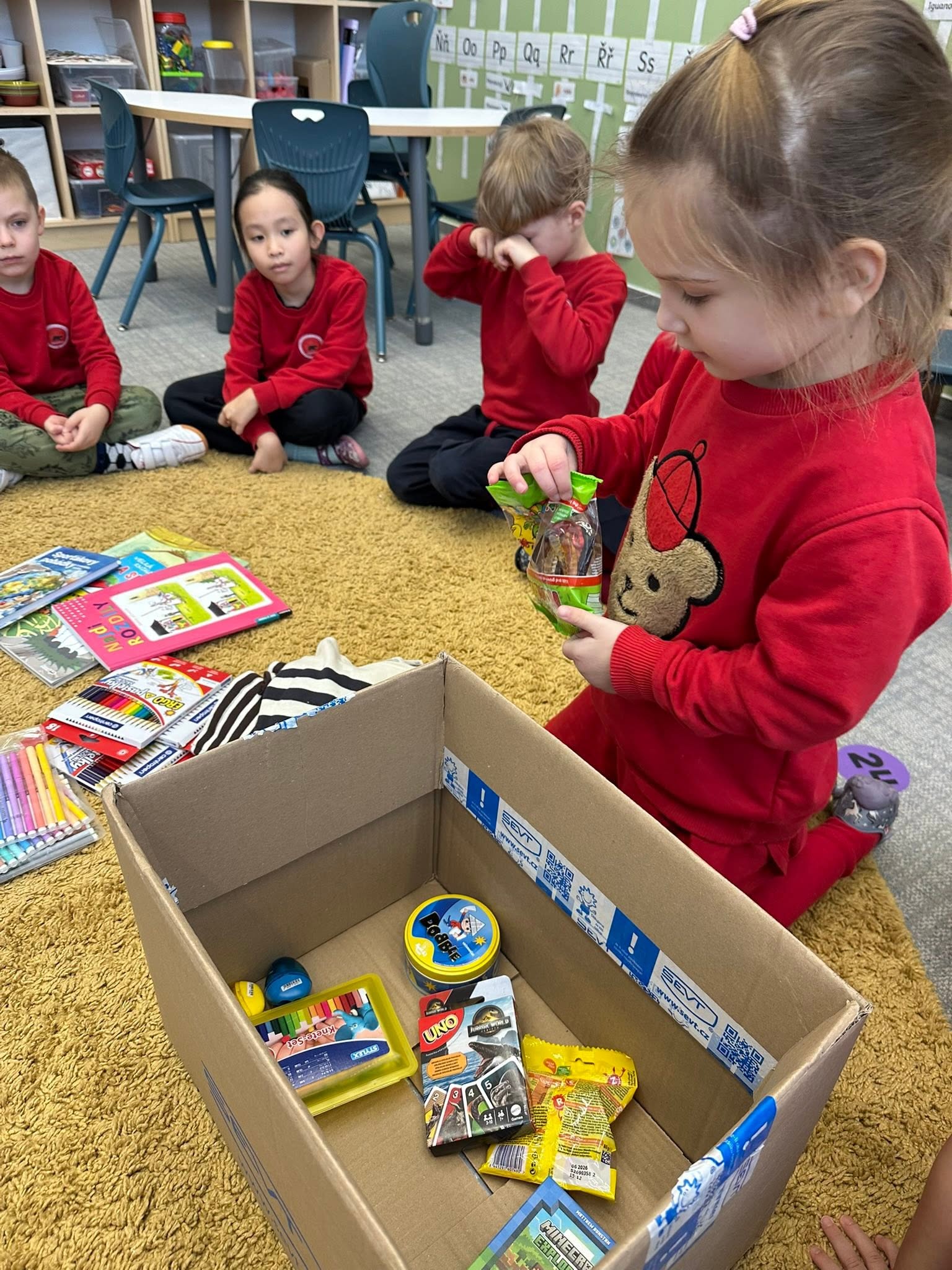
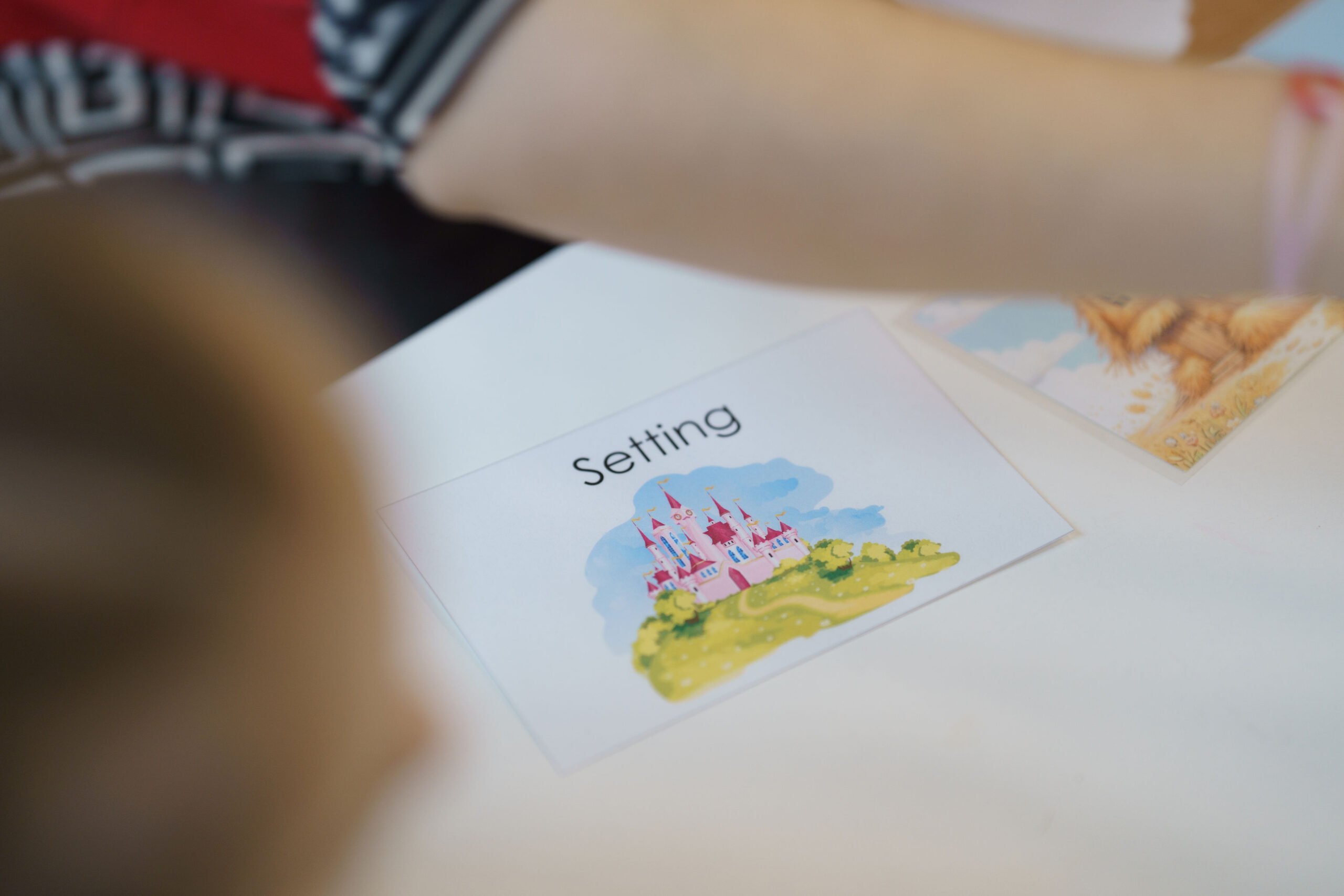
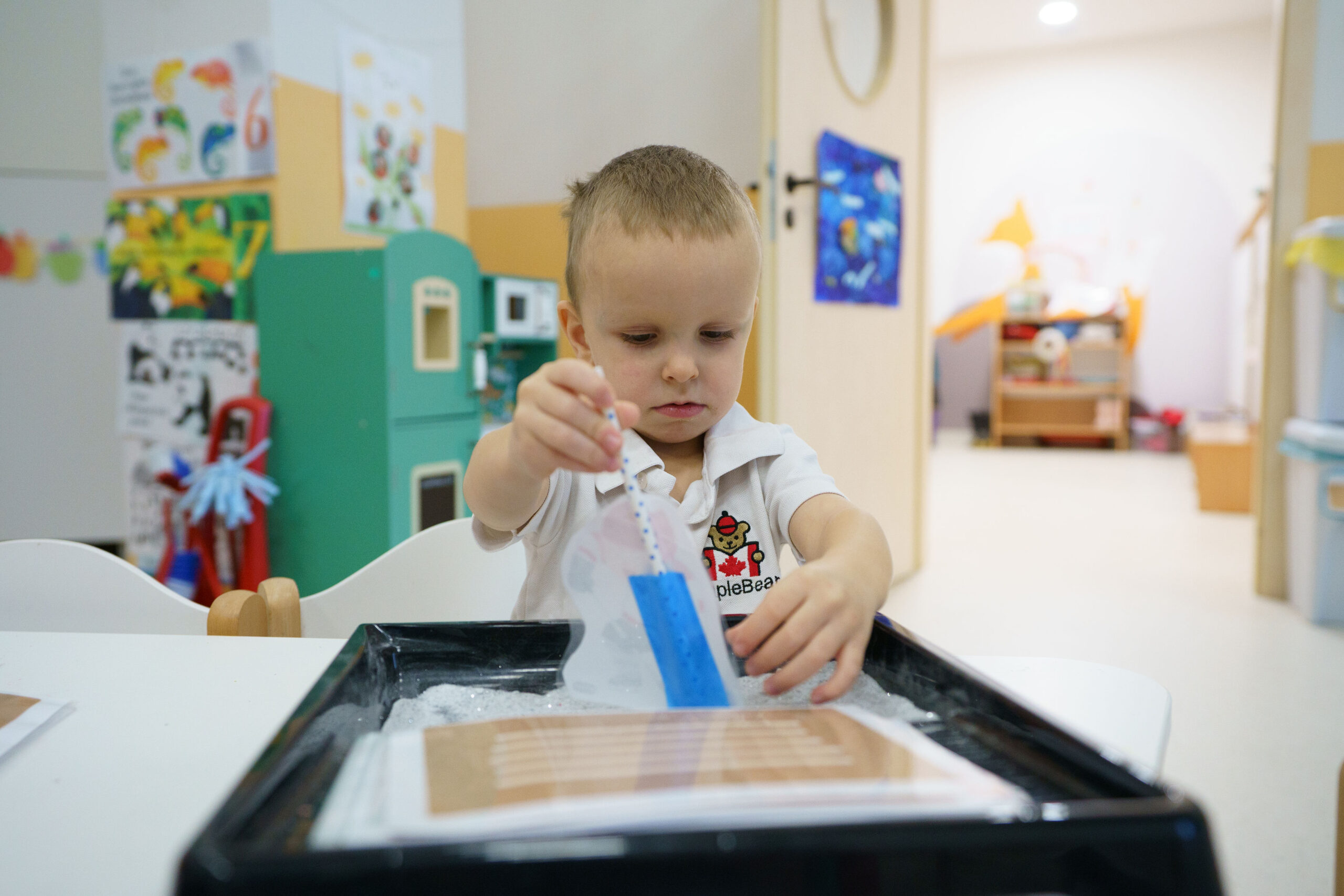
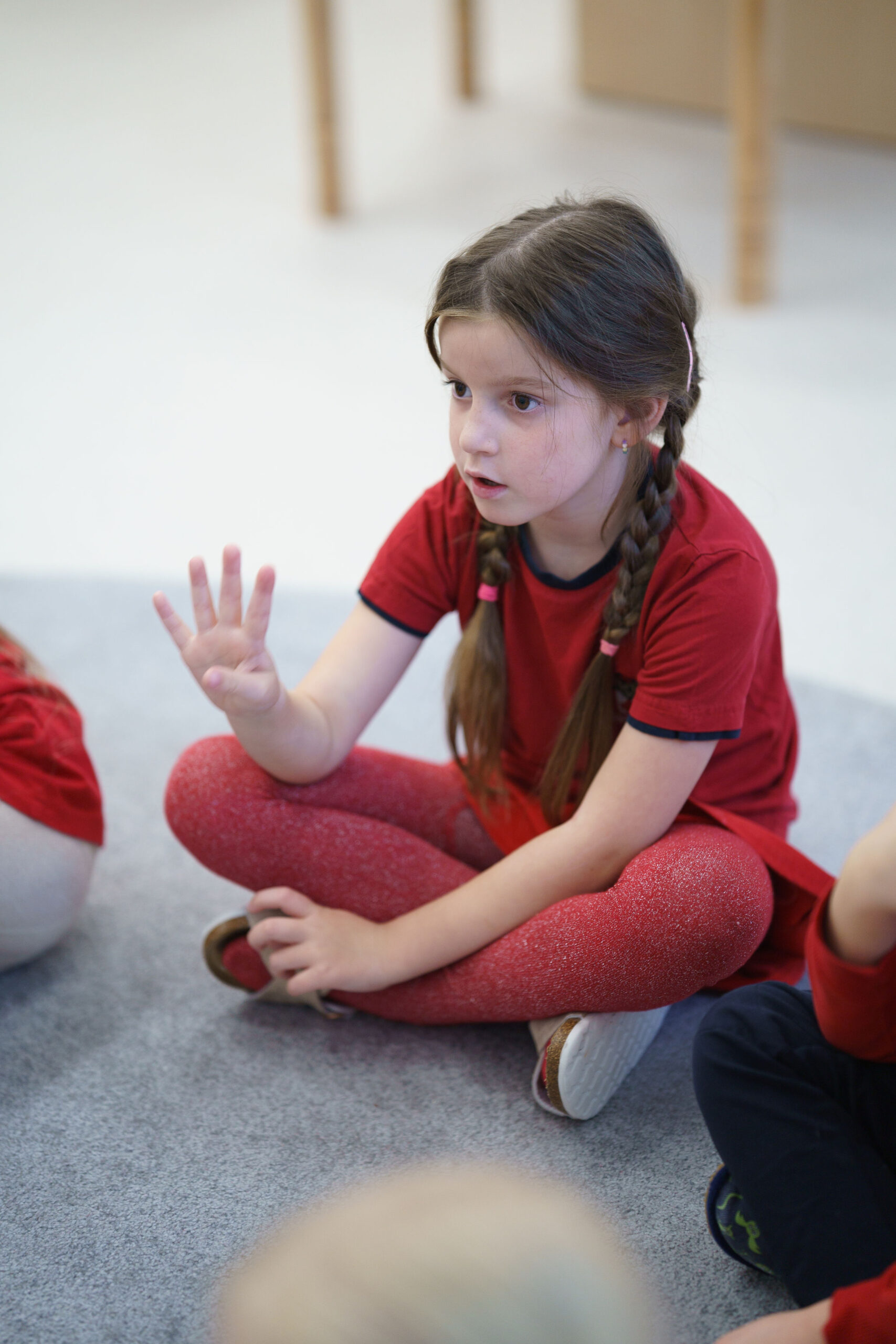
Children work independently, in pairs or together. Some moments are led by teachers, other times they have the space to choose an activity themselves, explore, build, create or play with others. We adapt the program to the age of the children, the current topic and what they are interested in at the moment.

For the youngest children, there is more space for shorter activities, routines and rest. With increasing age, there is gradually more independence, longer concentration and activities in which children look for solutions, cooperate and take on more responsibility.

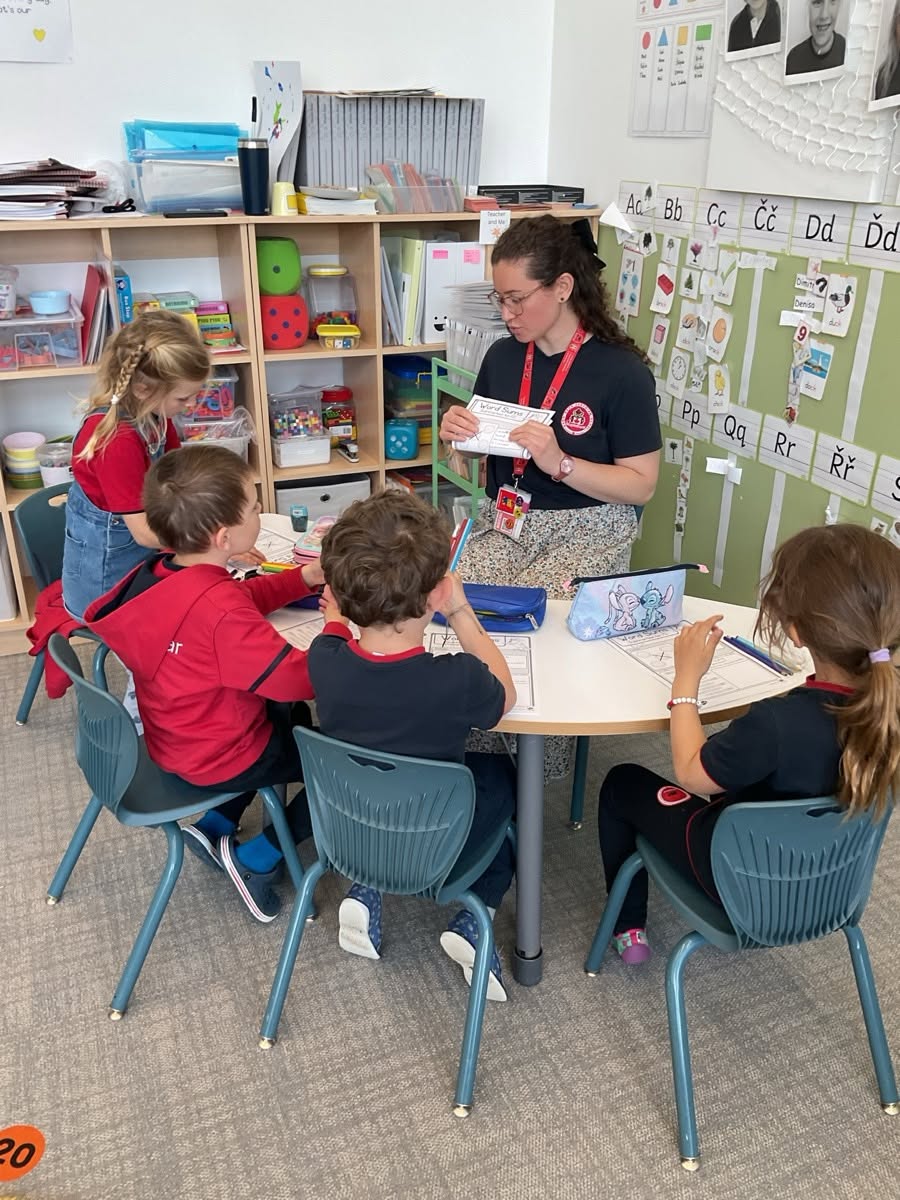
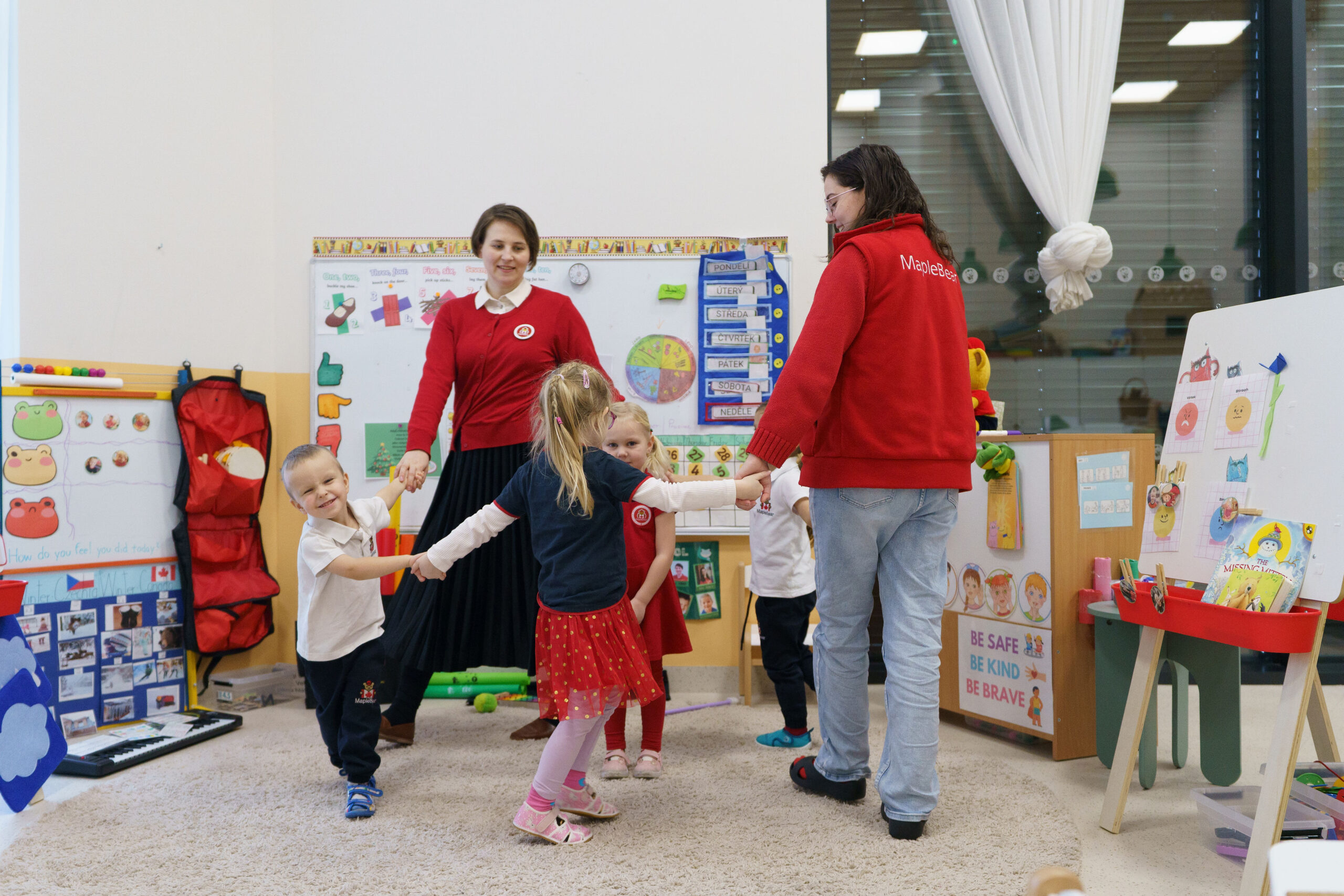
There are two full-fledged teachers in the class, one in Czech and the other in English. Both are actively involved in the program and work with children, thanks to which both languages are a natural part of the whole day, not just one dedicated activity. At the same time, we can divide children into smaller groups more often, give them more individual attention and respond flexibly to what they need at the moment.

Depending on the type of activity, educators can work with children together or the group can be divided. Thus, one educator can lead an activity with a part of the children, while the other works with a smaller group, supports a child who needs more time, or offers an additional challenge to the one who is ready to continue.

Children don't just learn two languages. They grow up in them

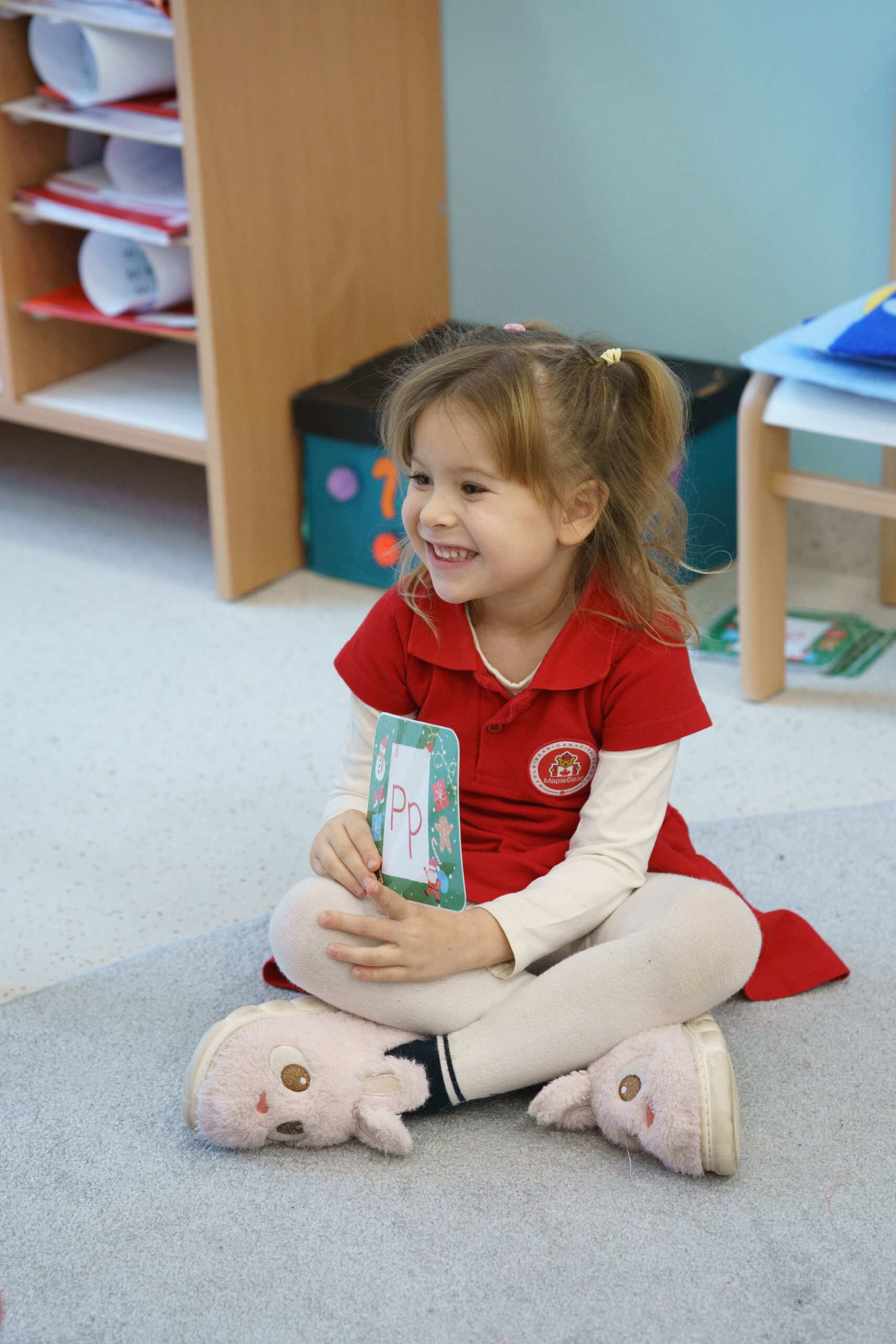
In the kindergarten, the bilingual environment works in such a way that part of the program is led by a Czech-speaking teacher and part by an English-speaking teacher. The child naturally switches between Czech and English during a normal day, depending on who he is currently working with and what activity is taking place.

So it is not that he has, for example, “30 minutes of English”. He hears English during the morning circle, playing, creating, moving, working in a group, staying outdoors and everyday communication. In other parts of the day, the same types of activities take place in Czech. It is the sum of these situations that creates an approximately 50:50 ratio.

Therefore, the child does not learn two languages separately from the normal life of the kindergarten. He uses both languages directly in what he does. At first, he can understand English mainly from the context, gestures and repetition, only gradually does he begin to use it himself.

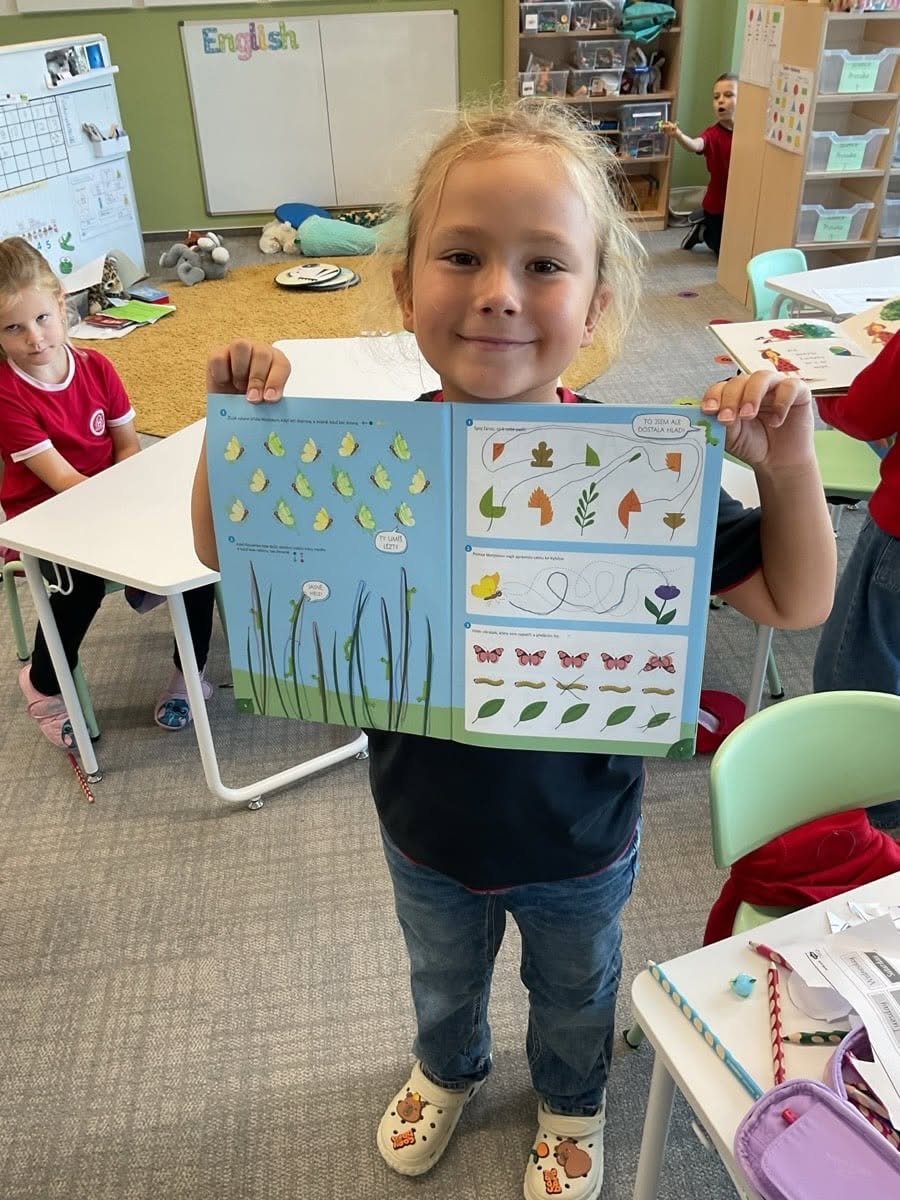
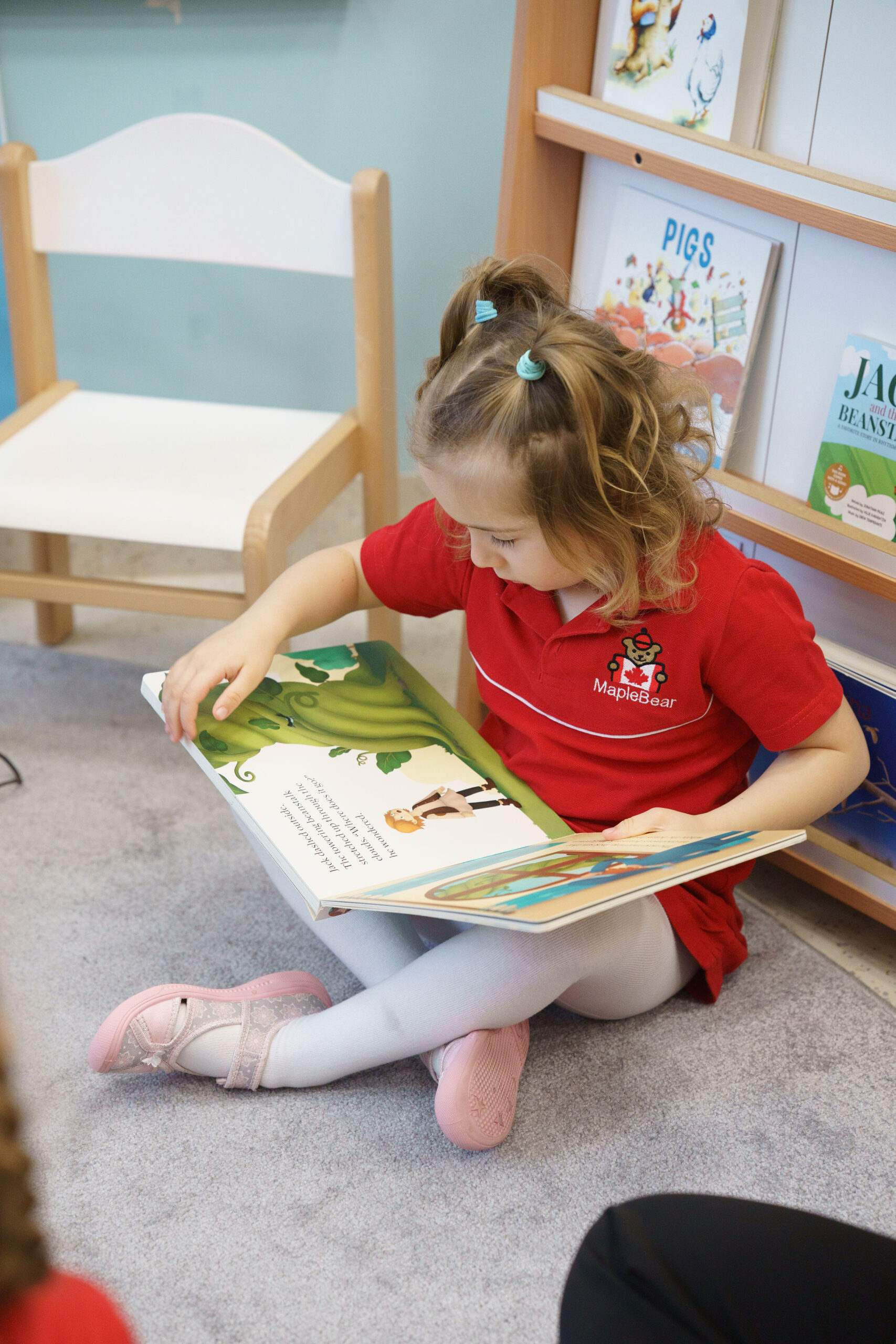
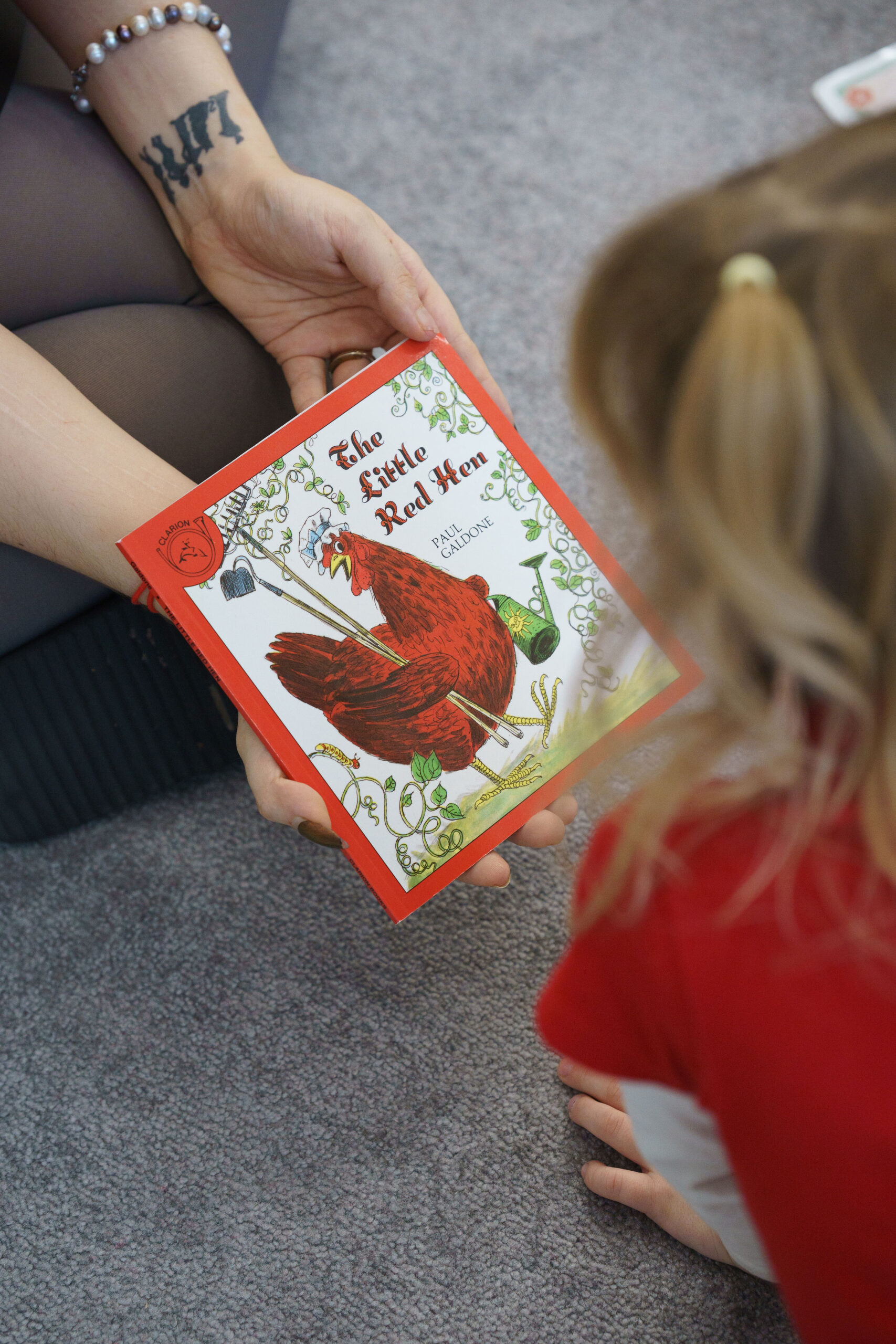
Czech has an equally important place. We develop vocabulary, expression, comprehension, working with a story and skills important for future reading and writing.

Each child comes with a different language experience, and that’s okay. Some people start without prior knowledge of English or Czech; others already use both languages with great confidence. Therefore, teachers monitor where a particular child is at the moment and support them at their own pace. A child who is just beginning to understand English or Czech receives more illustrative support, repetition, and time. A child who already has a good command of the language gets more space for more complex expression and further development.

There is no need to know Czech or English before starting kindergarten. It is important that each child has the space to develop both languages from the level they are currently at.

Movement and discovery are as much a part of learning as the classroom

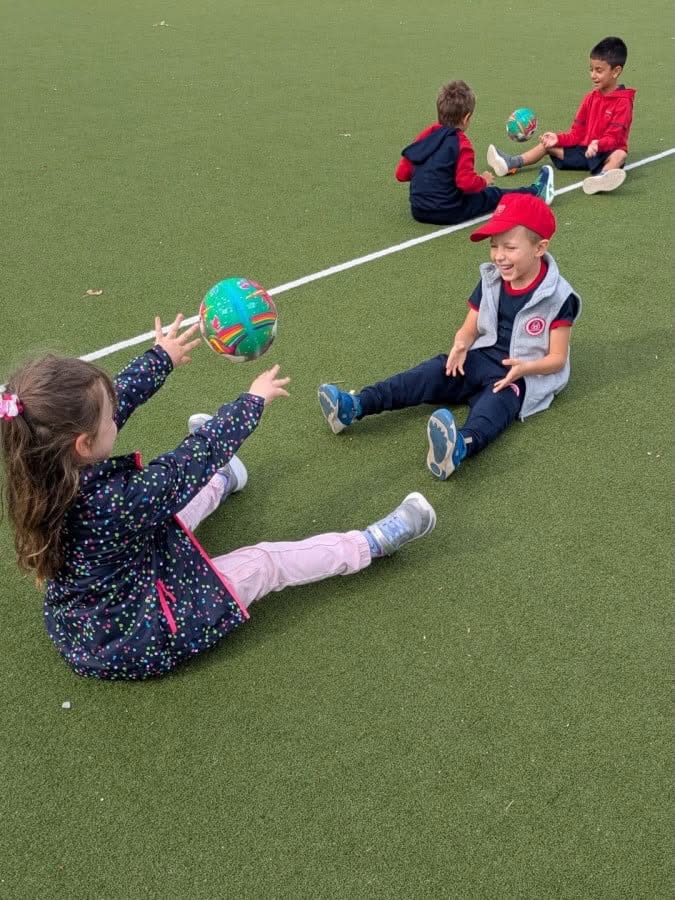
Every day we spend time outdoors because young children need exercise, fresh air and space to discover the world around them. Outside, they have time to run, climb, play, explore nature, collect various materials or just enjoy playing together with others.

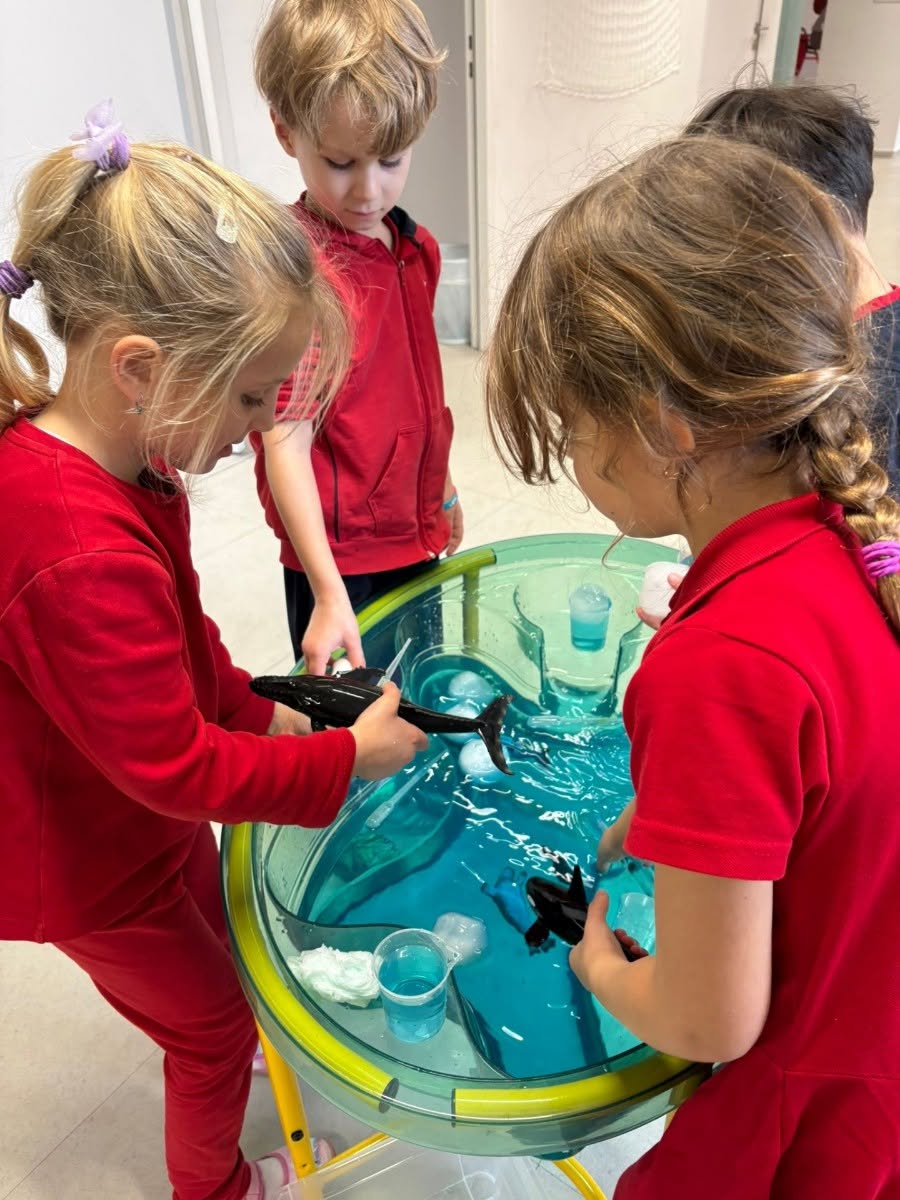
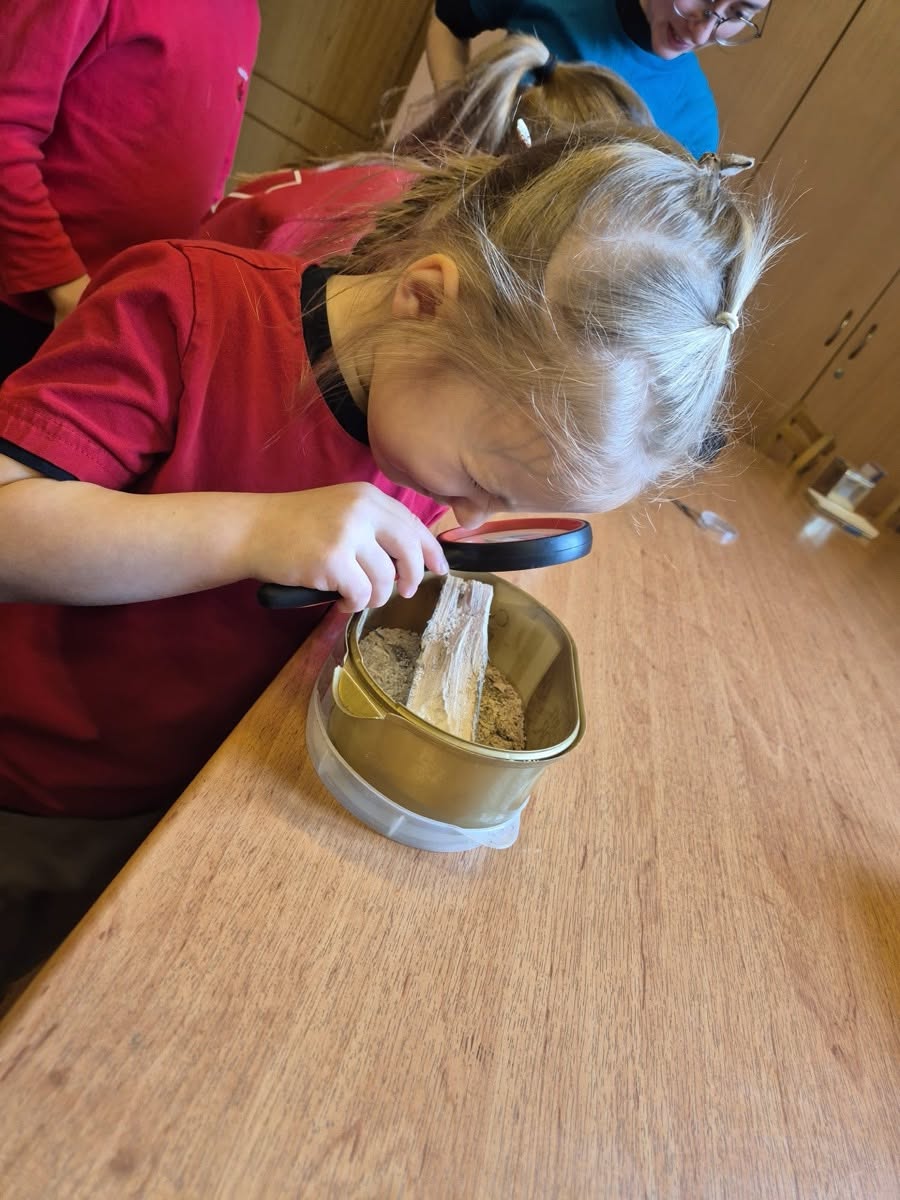
At the same time, being outdoors naturally supports independence, motor skills, cooperation and children’s curiosity. Children notice what is changing in nature, discover something, ask questions and together we look for answers. Learning is not only created at the table, but also in ordinary situations that children really experience during the day.

Movement is a natural part of the whole day, not just being outside. We also include it among the individual activities in the classroom, because young children need to alternate concentration with activity and often learn best through movement and their own experience.

Every age brings different needs

Between the ages of three and six, children change rapidly. A child who is just starting kindergarten needs different support, a four-year-old child who wants to manage more and more things on their own, and a preschooler preparing for the next step needs a different support.

That’s why we adapt the way we work, the level of support and the expectations of the age, personality and current needs of a particular child. We don’t compare children with each other, we monitor their own progress and help them take the next step when they are ready for it.

A strong last year before starting school

The preschool preparatory year is an important part of our program and builds on the experience we have built at Maple Bear with the current “zero grade”. It will now be organizationally part of the kindergarten, but we want to preserve its meaning and strength.

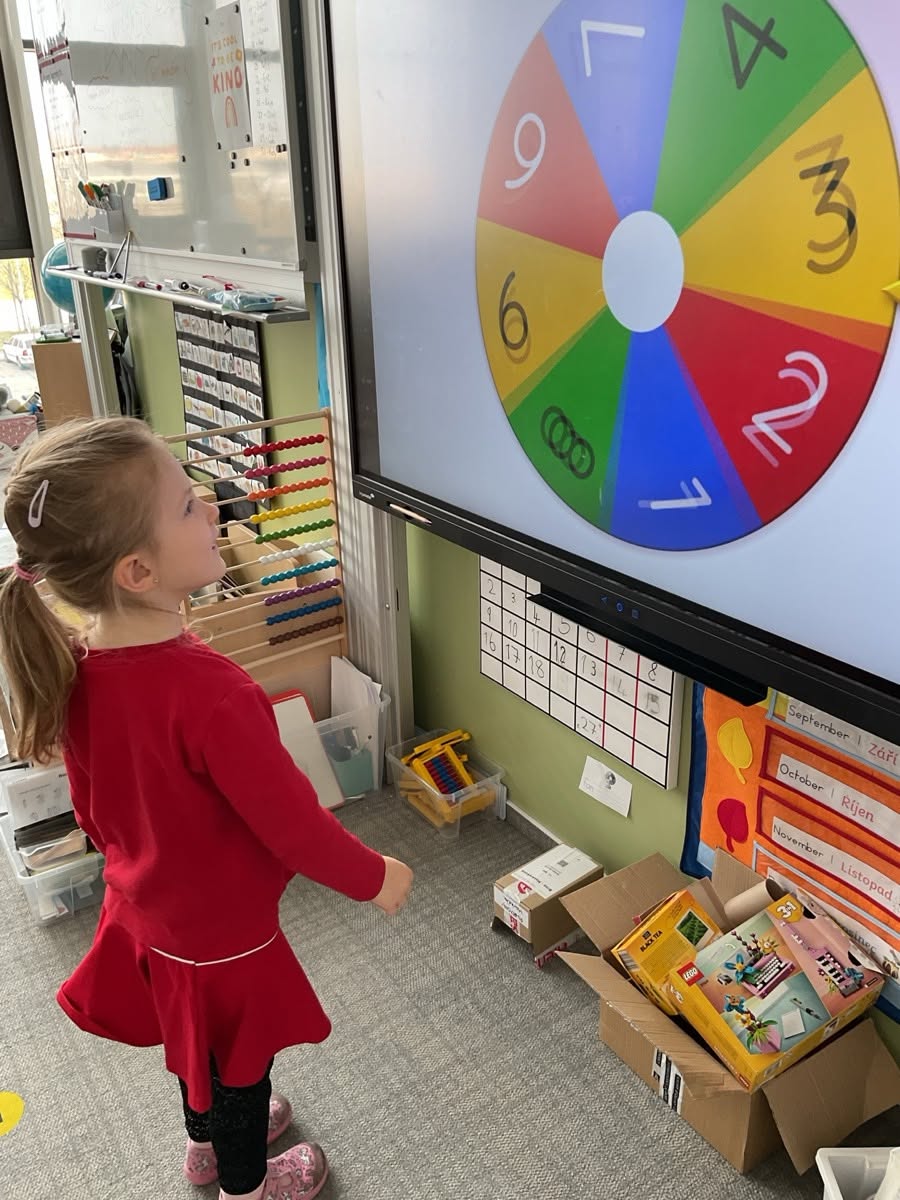
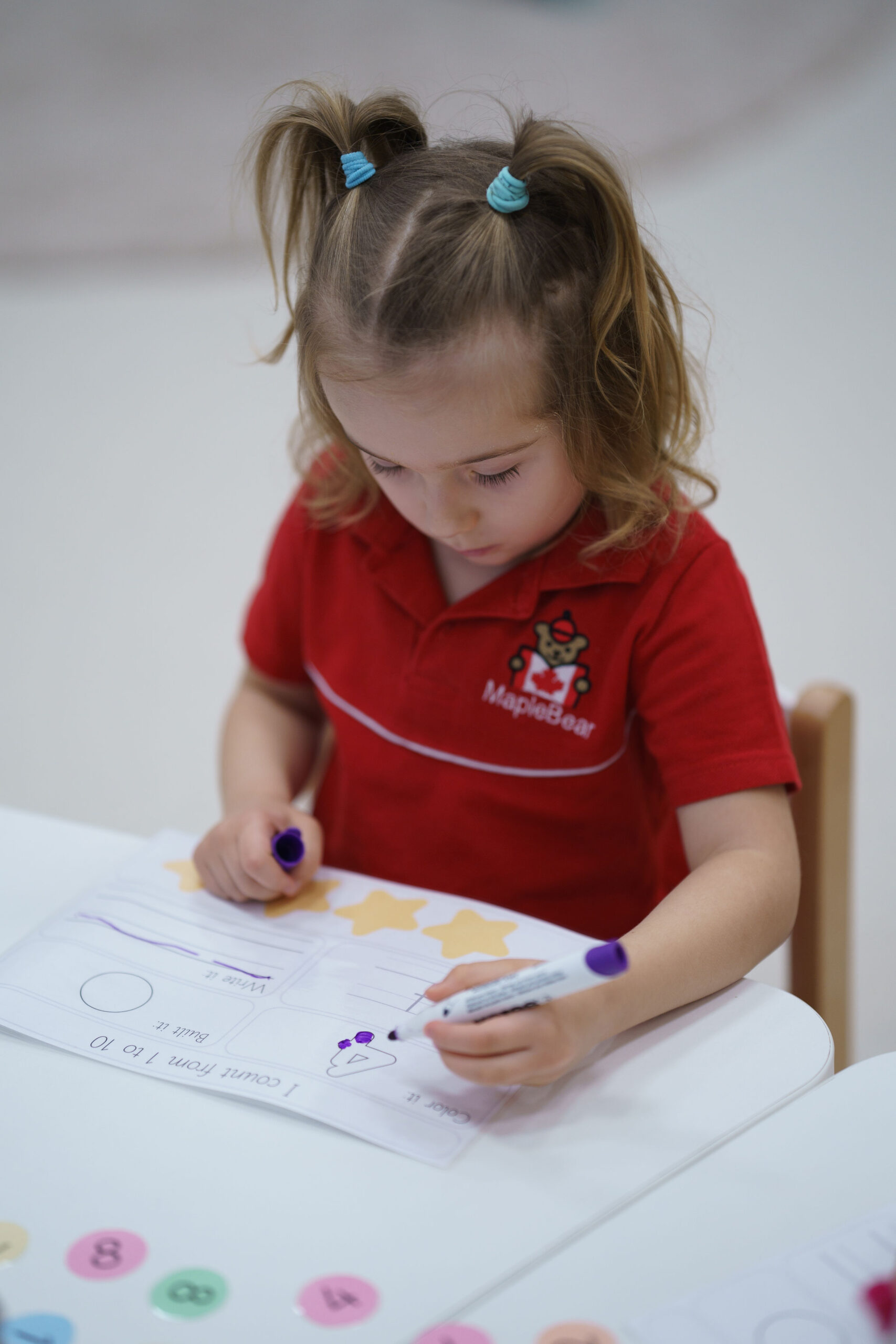
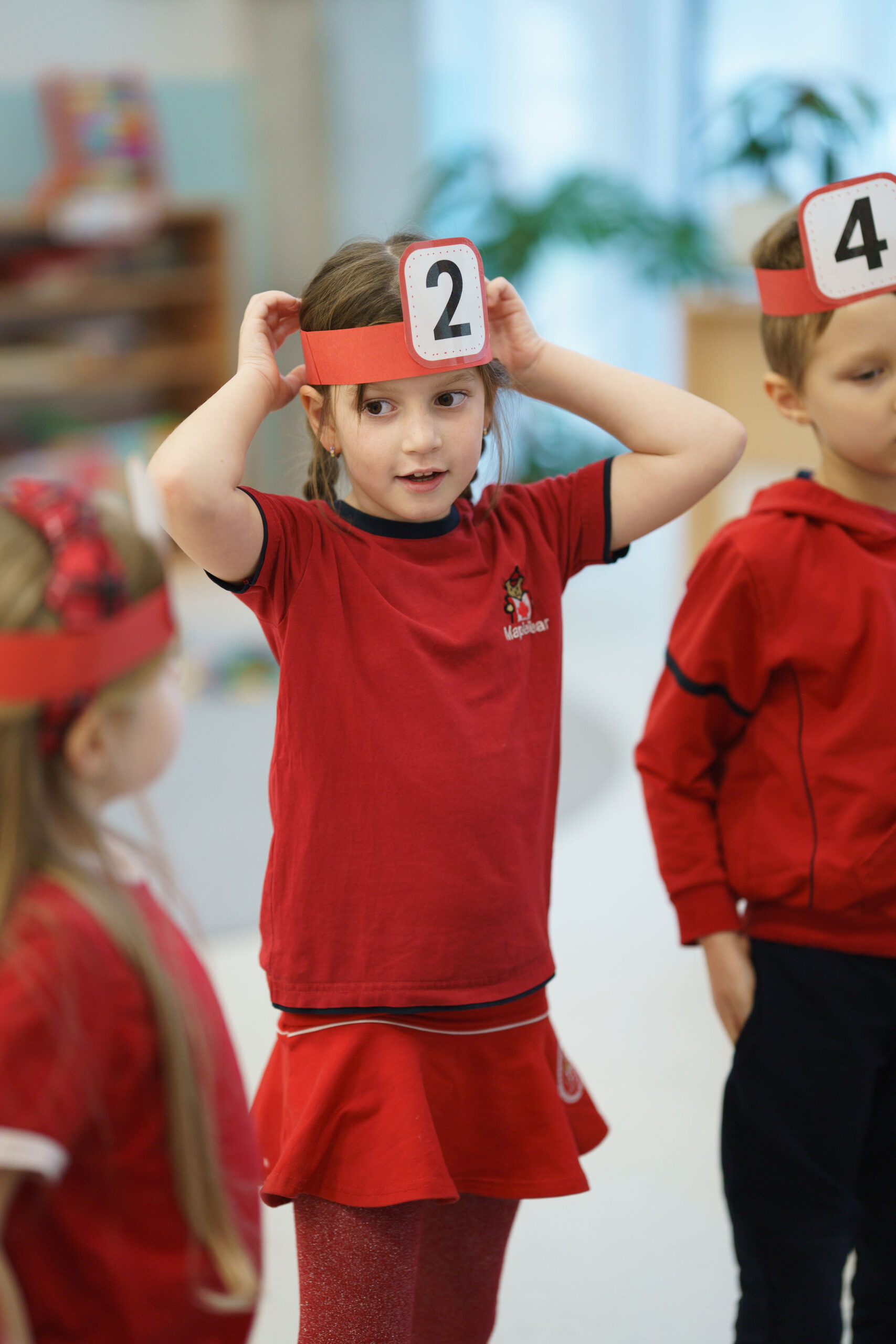
Children purposefully develop the skills they will need when starting school. It is not just about pre-reading and mathematical basics or graphomotor skills. Equally important is the ability to concentrate, complete an activity, follow instructions, cooperate, communicate, manage failure, take care of one’s own things and gradually take responsibility for one’s own work.

At the same time, the program naturally follows the way of working at Maple Bear elementary school. Children are already familiar with the bilingual environment, active learning and similar routines, and they are gradually getting used to a higher degree of independence. The transition to the 1st grade is not a leap into the unknown, but another step in their educational journey.

The parent knows what the child is really experiencing in kindergarten

It is completely natural for a small child to want to know more than just the answer “good” when you ask them at home how it was in kindergarten. That is why we regularly share information and photos of what the children have been doing, what they have discovered and what topics they are currently developing through the Kinderpedia application.

Parents thus have a more specific idea of their child’s everyday life in kindergarten and can naturally build on their experiences at home. They will also find important information, a calendar of events and practical documents in one place.

And if something needs to be discussed in more detail, communication does not end in the app. Parents can contact teachers, reception or kindergarten management, depending on what their question is about.

What our parents say